15 Things You Don't Know About Pushchair
Prams and Pushchairs: A Comprehensive Guide for New Parents
Welcoming a new baby into the family brings a whirlwind of enjoyment and obligations. Among the necessary products that brand-new parents need to think about is the option in between a pram and a pushchair. Both serve the function of transporting babies, but they include distinct functions, advantages, and considerations. This thorough guide will check out the differences between prams and pushchairs, supply a comprehensive comparison, and respond to regularly asked concerns to help parents make an informed choice.
Comprehending Prams and Pushchairs
Prams
Prams, or baby carriages, are created for newborns and extremely young babies. They typically feature a flat, totally reclining seat that permits the baby to rest comfortably. Prams frequently come with a deep, cushioned bassinet that provides a cozy environment for the baby to rest.
Pushchairs
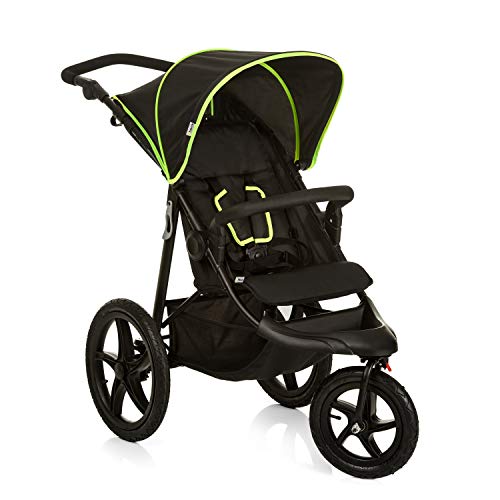
Pushchairs, likewise referred to as strollers, are more flexible and suitable for older babies and young children. They typically have a seat that can be adjusted to various reclining positions but is not totally flat. Pushchairs typically feature a more upright seating position, making them perfect for permitting kids to stay up and explore their environments.
Key Differences Between Prams and Pushchairs
Function
Prams
Pushchairs
Design
Completely reclining seat
Adjustable reclining seat
Age Suitability
Newborns to around 6 months
From 6 months onward
Weight
Usually much heavier
Normally lighter
Mobility
Bulkier and less portable
More compact and much easier to fold
Devices
Typically consist of a carrycot
Normally come with a tray, cup holder, and so on.
Surface Compatibility
Created for smooth surface areas
Suitable for various terrains
Safety Features
May consist of a five-point harness
Frequently equipped with additional security functions, like brakes
Benefits of Prams
Convenience for Newborns: The flat, reclining style offers a safe and comfy space for extremely young babies to rest, promoting healthy spinal development.
Visual Appeal: Prams often feature a traditional and stylish design, making them a stylish choice for new moms and dads.
Defense from the Elements: Many prams are geared up with hoods and weather covers that shield babies from rain, sun, and wind.
Quality Materials: Prams are usually made from tough products that use sturdiness, ensuring they can hold up against the wear and tear of daily use.
Advantages of Pushchairs
Adaptability: Pushchairs are developed for a broader age variety, making them appropriate for growing kids. They are adaptable and can frequently accommodate numerous seating positions.
Lightweight and Portable: Most pushchairs are more lightweight and much easier to navigate, making them ideal for city environments and mass transit.
Convenience: Pushchairs frequently have hassle-free storage baskets and pockets for simple access to baby fundamentals and personal items.
Easier Folding Mechanisms: Many pushchairs come with one-handed folding mechanisms, permitting parents to collapse them easily for transport or storage.
Picking the Right Option: Factors to Consider
When choosing between a pram and a pushchair, a number of elements enter play:
Lifestyle: Consider your everyday regimen. If you stroll frequently on smooth pavements, a pram may be ideal. However, if you're typically on the go or utilizing public transport, a light-weight pushchair could be more ideal.
Area and Storage: Evaluate your living scenario. If space is restricted, a compact pushchair might be the better option.
Budget plan: Prams can often be more pricey due to their specialized design. Consider your budget plan and whether it permits for either option.
Toughness: Think about the length of time you prepare to utilize the product. Pushchairs can accommodate kids who are older, possibly offering more value for money in time.
Frequently asked questions About Prams and Pushchairs
1. Can I utilize a pushchair for a newborn?
While many pushchairs appropriate for babies from around 6 months, some designs have a totally reclining seat or a compatible carrycot option, enabling moms and dads to use them from birth.
2. Are prams heavier than pushchairs?
Usually, prams are heavier due to their more robust building and design for newborns, while pushchairs are normally developed to be lighter and more portable.
3. How do I keep my pram or pushchair?
Regular cleaning of the materials, checking the wheels, and examining the frame for any damage are necessary maintenance practices. Always refer to Pushchairs And Prams for specific care guidelines.
4. Can I take my pram or pushchair onto public transport?
The majority of public transportation systems allow prams and pushchairs, however it's always best to inspect regional regulations. Lightweight pushchairs are frequently preferred due to their ease of folding and maneuverability.
5. What safety features should I try to find?
Try to find a durable frame, a five-point harness, a protected braking system, and additional security functions like reflective trim for presence.
Selecting between a pram and a pushchair is a considerable choice for new parents. Comprehending the crucial differences, advantages, and factors to consider will empower moms and dads to make the very best option for their lifestyle and their baby's requirements. With mindful idea and preparation, the best pram or pushchair can make trips with the child pleasurable and stress-free. As with any purchase, it's necessary to experiment with various choices, seek advice from evaluations, and look for suggestions to find the perfect fit for both the baby and the parent.